If you have shopped for kava anywhere else, you have probably seen brands advertise root from four or five Pacific origins at once -- Vanuatu, Fiji, Tonga, the Solomon Islands, sometimes all on the same page. Heartlight does not do that, and it is worth explaining why rather than pretending it is not a difference.
The honest framing: small and single-farm, on purpose
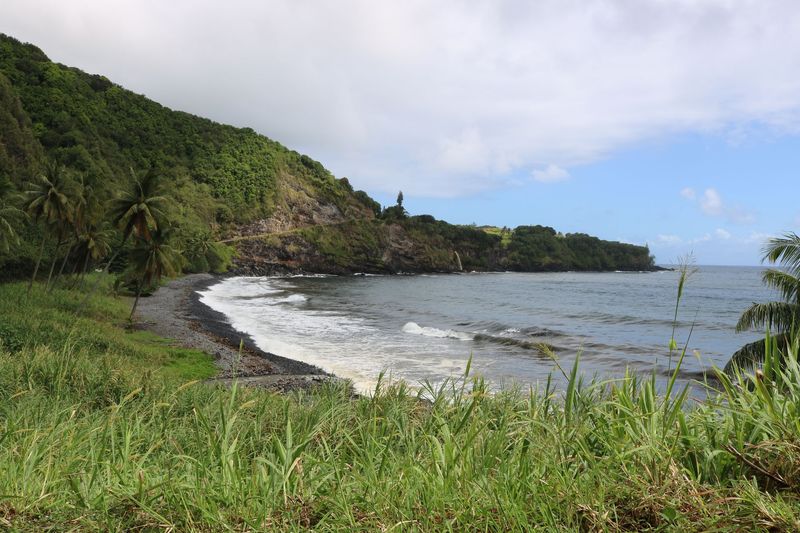
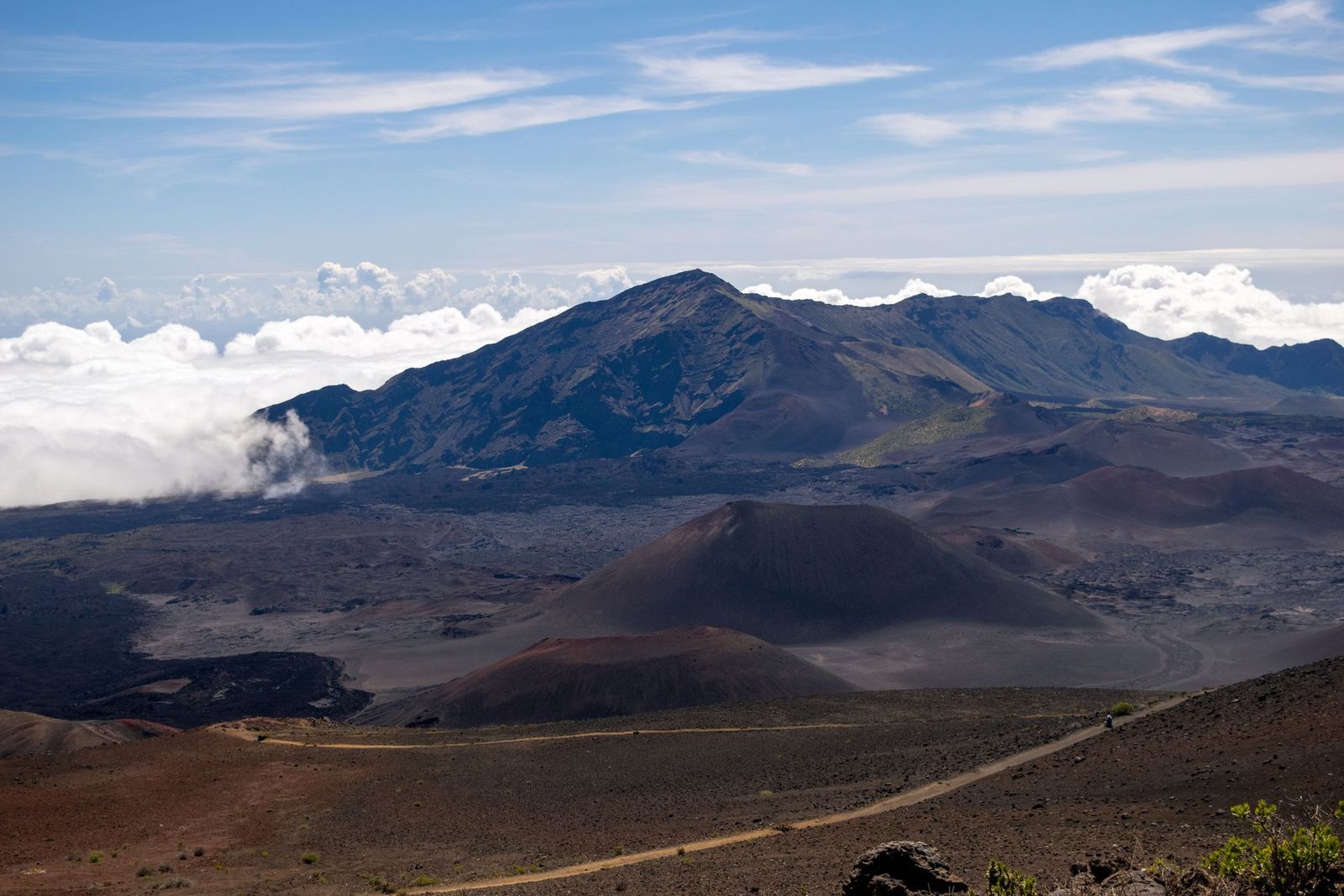
Heartlight is a small operation. We source from the Big Island of Hawaii, primarily from farms in the Mountain View and Volcano growing regions, and we are not going to describe that as bigger or more established than it is. We do not have decades of multi-country distribution relationships, and we are not going to claim otherwise.
What we do have is direct knowledge of where our root comes from, because we are still small enough to know the farms personally rather than buying through a chain of importers and brokers.
Big Island growing regions and named cultivars
Our resin is extracted from 'awa grown specifically in the Mountain View and Volcano regions of the Big Island -- real, named places, not a generic "Hawaii" label. Within that, we work with three named cultivars, each hand-selected by the owner and extractor rather than bought as an undifferentiated commodity crop:
Isa 'Awa is full-bodied and heavier, the cultivar we reach for when the goal is a stronger, more grounding evening experience.
Mahakea 'Awa sits in the middle -- balanced, slightly heavier than Nene but workable for either daytime or evening use depending on how much is taken.
Nene 'Awa is the lightest and most cerebral of the three, more associated with a clear, uplifted daytime feeling. It is also a limited-edition strain in practice -- harvest-dependent, and not always available, because we are not smoothing out a natural growing cycle with outside supply the way a larger, multi-origin operation can.
That last point is a real tradeoff of single-farm sourcing, not a hidden downside we are leaving out: when a cultivar's harvest is smaller in a given season, the product available reflects that, rather than always being in stock through blended supply from elsewhere.
What single-origin means for consistency and traceability
A multi-origin catalog gives a brand more flexibility to always have product on shelves, because if one region's harvest is thin, another region covers the gap. Single-farm sourcing trades that flexibility for something else: when you buy a Heartlight resin, we can tell you which growing region it came from, because there is only one answer to give.
That traceability is not a claim about potency or purity -- it is a sourcing fact. We are not going to tell you single-origin makes the kava itself safer or stronger; the honest claim is narrower and still real: you can trace a batch back to a specific place, grown by farmers we work with directly, rather than a blended supply chain with multiple unnamed sources.
The founder-operator story
Heartlight is a small, family-run operation based in Pahoa, Hawaii. The person hand-selecting each batch of resin is the same person extracting it -- not a quality control department reviewing a supplier's shipment, but the actual operator deciding what goes into the syringe or the jar.
That is the tradeoff we are asking you to understand plainly: Heartlight cannot match a twenty-year, four-country supply chain, and we are not going to write copy that implies we can. What we can offer instead is a shorter, more direct line between the farm and your order -- one region, three named cultivars, and an operator who can tell you exactly where each batch came from.
Hand-selected, small-batch, start to finish
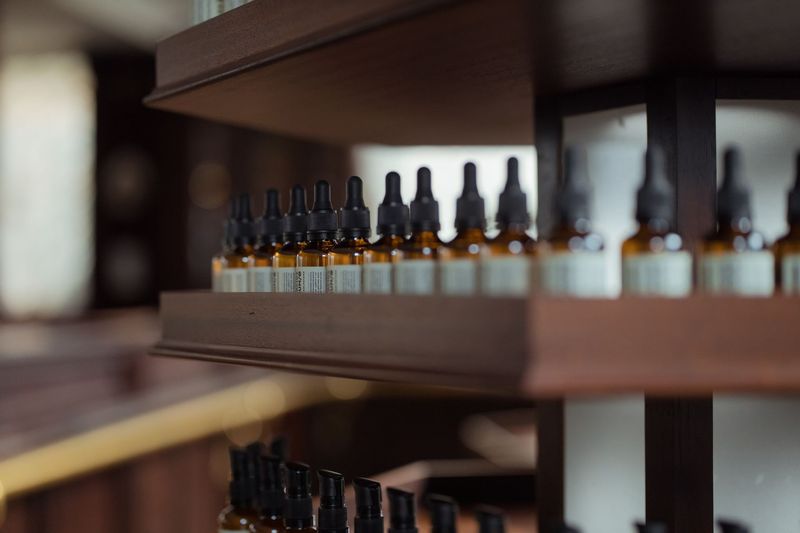
Every batch of resin starts with root chosen by hand, not bought sight-unseen from a broker's inventory list. From there, extraction happens in small batches rather than large industrial runs, which is slower and produces less volume per run than a larger operation would tolerate -- but it is also the reason a single person can stand behind every batch that goes out the door. A large multi-origin brand extracting from four countries at once cannot make that same claim about any single jar on its shelf, because no one person touched all of it.
This is also why our catalogue is eight products, not eighty. Small-batch, single-farm, hand-selected production does not scale the way a commodity supply chain does, and we are not going to pad the catalogue with variations that do not reflect an actual difference in the root just to look bigger on a shelf.
What this does not mean
To be clear about the limits of this story: single-farm sourcing is not, by itself, a safety or purity claim. It does not mean our resin has been lab-tested at a level a multi-origin, GMP-certified competitor might be able to claim, and we are not going to imply otherwise. What single-origin sourcing does mean is narrower and more honest: we know where the root came from, because there is only one place it could have come from.
Why this matters for you as a buyer
If what you want is a catalog with the widest possible selection of origins and cultivars, a larger multi-origin brand will have more options than we do, and we would rather tell you that directly than pretend our eight products compete on breadth. If what you want is to know specifically where your kava was grown and who selected it, single-farm sourcing is the stronger answer, and it is the one we can actually back.