If you searched "is kava safe" before landing here, you are not being paranoid. The concern is real, it has a documented history, and it deserves a straight answer rather than a brand telling you not to worry about it. This article is that straight answer, written from public research rather than from our own opinion of our own product.
Where the liver concern came from
In 2002, the U.S. Food and Drug Administration issued a consumer advisory linking kava-containing dietary supplements to a small number of reports of severe liver injury, including hepatitis, cirrhosis, and liver failure, among people using kava supplements at the time. At least one of the reported cases in that period involved a liver transplant. That advisory is the origin point for almost everything you will read online about kava and liver risk, including content written twenty years later that never mentions where the concern actually started.
The FDA's advisory and the safety questions it raised are also documented in the peer-reviewed literature, including a JAMA article specifically examining kava hepatotoxicity risk and the FDA's response to it, and on the National Institutes of Health's own Office of Dietary Supplements information page on kava. We are citing those sources directly rather than restating a secondhand summary, because on a question like this one, the primary sources matter more than anyone's paraphrase of them -- including ours.
What later research clarified
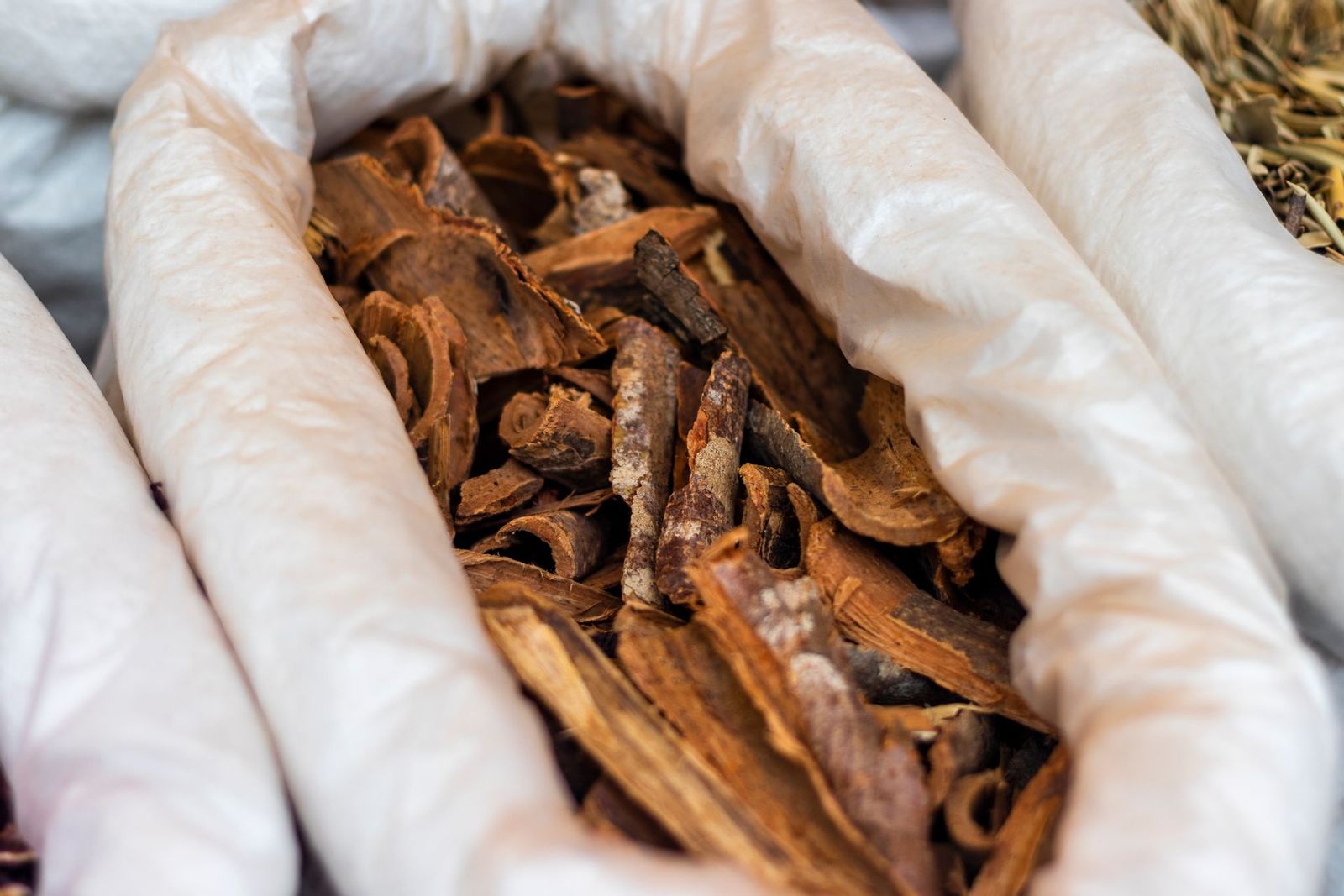
The cases behind the 2002 advisory were not evenly distributed across every way kava has traditionally been prepared. A meaningful portion of the research and commentary that followed focused on preparation method and plant part as likely contributing factors: traditional Pacific Island preparations use water-extracted kava root from noble cultivars, while some of the supplement products investigated in the advisory-era cases used different extraction solvents, different plant parts, or non-noble cultivars associated with a higher concentration of certain compounds.
That distinction -- root versus other plant parts, noble cultivar versus non-noble, water extraction versus other solvents -- is why you will see more recent sources treat traditional-style, root-based, noble-cultivar kava as a materially different risk picture than the products implicated in the original advisory. It does not mean the concern was invented or that it has been fully resolved; it means the picture is more specific than "kava causes liver damage," and specific is more useful than alarming when you are trying to make an actual decision.
What Heartlight does not claim
We are not going to tell you kava is risk-free, and we are not going to make a comparative safety claim we cannot back with our own testing. Specifically:
We do not claim our resin or gummies are safer than any other kava product on the market. We have not run the kind of comparative testing that claim would require, and a claim like that is exactly the kind of thing a company says when it wants you to stop asking questions rather than start reading.
We do not claim any specific compound in our resin is present at a lower level than in other products, because we have not published lab data establishing that. If we commission that testing in the future, we will link the actual results here rather than asking you to take our word for it.
We use root-based, full-spectrum extraction from Big Island farms, and we describe our process honestly, but "we use root" is a sourcing fact, not a safety guarantee.
Practical guidance
A few things are worth knowing regardless of which product you choose:
Do not mix kava with alcohol. Both affect the liver and the central nervous system, and combining them is not a combination any of the research above treats as a good idea.
If you take medication, particularly anything that affects the liver or the central nervous system, talk to a doctor or pharmacist before adding kava to your routine. This is not a disclaimer we are including to cover ourselves -- it is genuinely the right question to ask before combining any supplement with a prescription.
Pay attention to how you feel over time, not just after one use. The concern in the literature is about accumulated exposure and individual sensitivity, not a single evening.
If you notice symptoms like unusual fatigue, yellowing of the skin or eyes, dark urine, or abdominal pain while using any kava product, stop and see a doctor. That is true of any supplement, but it is especially worth repeating here given the history above.
Why we are writing this instead of avoiding the topic
A lot of kava sellers would rather not link to the FDA advisory at all, on the theory that mentioning it puts the idea in a shopper's head. We think that gets it backward: the idea is already in most shoppers' heads, because it is one of the first things a search engine returns for "is kava safe." Not addressing it does not make the concern go away -- it just means the only information a worried buyer finds is whatever else is on the internet, most of which strips out the nuance above and leaves either blanket reassurance or blanket alarm. We would rather be the source that gives you the actual history and the actual research, even the parts that do not flatter our own product.
What this means for the way we make our own product
We extract from kava root, not leaf or stem, using a water-based, small-batch process, from noble cultivars grown on the Big Island. That lines up with the preparation style later research treats as materially different from the higher-risk cases in the original advisory. We are stating that as a description of our process, not as a certified safety claim -- we have not commissioned the kind of third-party testing that would let us say more than that with confidence.
The honest summary
Kava has a documented liver-safety concern with a specific origin in 2002, real cases behind it, and a body of later research that narrows -- without eliminating -- that concern to particular preparation methods and plant parts. Root-based, noble-cultivar, water-style extraction is the preparation most often distinguished from the higher-risk cases in that later research. That is what Heartlight uses. It is not a guarantee, and we are not going to dress it up as one.
These statements have not been evaluated by the Food and Drug Administration. This product is not intended to diagnose, treat, cure, or prevent any disease.
These statements have not been evaluated by the Food and Drug Administration. This product is not intended to diagnose, treat, cure, or prevent any disease.