Kava labels use a handful of terms that get repeated across the industry without much explanation -- full spectrum, noble, kavalactones, serving size. None of them are marketing fluff on their own; they describe real, checkable facts about how a product was grown and made. This guide breaks down what each term actually means, so you can read any kava label, not just ours, with an informed eye.
What Kavalactones Are
Kavalactones are the group of compounds naturally found in the kava plant that researchers point to when studying what kava does and how it behaves in the body. The National Institutes of Health's NCCIH overview of kava identifies kavapyrones, also called kavalactones, as kava's active constituents, and a large share of the safety research on kava, including the FDA's own review, is built around how much of these compounds a product contains and how they were extracted. When a label mentions kavalactones at all, it is referencing this same body of compounds -- there is only one definition, not a brand-specific one.
What "Full Spectrum" Means
Full spectrum describes an extraction method, not a marketing tier. A full-spectrum extract is made to retain the plant's naturally occurring range of kavalactones and other constituents together, rather than isolating a single compound out of the plant and discarding the rest. Heartlight's resin is extracted using water, heat, and pressure -- no solvents -- which is a traditional-style, full-spectrum approach. That matters because the research history on kava has specifically flagged extraction method as a relevant factor: the FDA's own scientific memorandum on kava notes that some of the products behind historical liver-injury reports used non-water solvents such as alcohol or acetone, while traditional water-based preparation was not implicated the same way. "Full spectrum" on a label is worth asking about specifically: full spectrum of what, extracted how.
Root Versus Stem and Peel -- and What Heartlight Uses
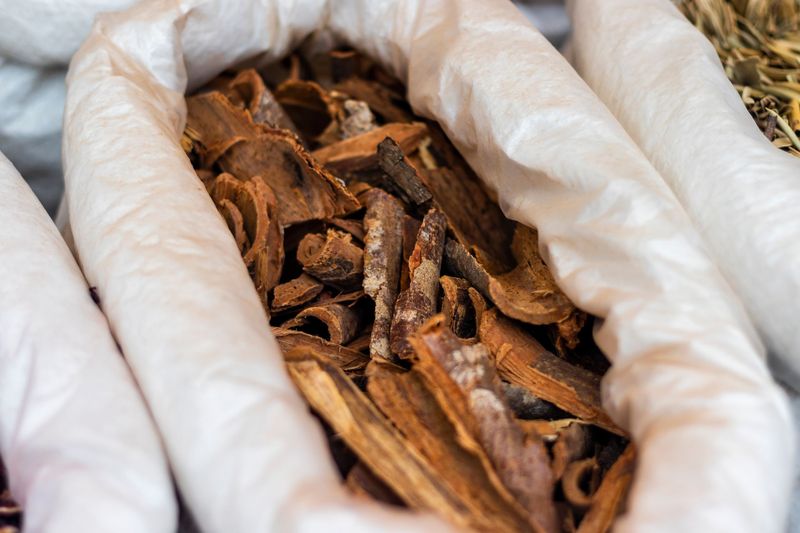
Not every part of the kava plant is treated the same in the safety literature. The NCCIH page and the FDA's review both point to the use of inappropriate plant parts -- stem peelings and leaves, rather than the root and rootstock -- as one of the factors researchers have associated with the liver-injury reports that prompted the FDA's original advisory. Heartlight's resin is extracted only from the waka (the lateral roots) and the basal root (the main rootstock) of the plant. We do not use stem, peel, or leaf material. If a label does not tell you which part of the plant was used, that is a fair thing to ask a brand directly, since it is one of the more consistently cited factors in the research, not a minor technicality.
What "Noble" Means
"Noble" is an industry term, not a Heartlight term, and it is worth understanding on its own before you look for it on any label. Kava cultivars are classified by chemotype -- the relative ratio of six major kavalactones in a given plant, expressed as a numeric code -- and researchers have used exactly this kind of chemotype analysis for quality control purposes, including in peer-reviewed work quantifying kavalactones and chemotypes for kava grown in Vanuatu. Cultivars historically selected for regular, everyday drinking are generally referred to as noble; cultivars associated with a different chemotype profile and a less favorable track record are generally referred to as non-noble or tudei. This is a real, checkable classification system, not a vague quality label -- which is exactly why an unsupported "noble" claim on a bottle is worth questioning rather than taking at face value.
We have not published a chemotype classification for Heartlight's own cultivars, so we are not going to claim a noble designation for Isa, Mahakea, or Nene 'Awa here -- that would be asking you to trust a label term we have not backed with the same kind of testing this section just described. If and when that classification exists, we will publish it rather than assert it.
Why a Serving Size Matters
A serving size is what turns a product into something you can be consistent about. Without one, every use is a fresh guess, which makes it hard to know what you actually took last time or to compare it to this time. Reputable products state a serving size on the label for exactly this reason -- not because a larger or smaller number is inherently better, but because a stated number lets you be deliberate rather than approximate.
Kavalactone content also is not fixed across every plant of the same name. Peer-reviewed research comparing kavalactone content and chemotype across kava beverages made from different varieties and extraction methods, including work specifically on Isa and Mahakea varieties, found that both cultivar and extraction solvent affect the resulting kavalactone profile. That is part of why a stated serving size on a label is not a formality -- it reflects testing of the actual product in front of you, not an assumption carried over from the plant in general.
Heartlight's own serving size and kavalactone content per serving are not published on this page, and we are not going to estimate a number here -- check the product label directly, or reach out and we will tell you plainly if that information is not yet available for a given product.
Questions to Ask Any Kava Brand
A label that answers these directly is doing more than most:
Which part of the plant was used -- root and rootstock, or stem and leaf?
What extraction method was used, and was it water-based or solvent-based?
Is the cultivar named, and has its chemotype been classified as noble?
What is the serving size, and what is the kavalactone content per serving?
Is there a certificate of analysis or third-party lab result available?
A brand that can answer all five without hedging has done real work to earn your trust. A brand that answers none of them and leans on the word "premium" instead has not. Heartlight can answer the first two today; the rest are things we are actively working toward publishing rather than inventing an answer to now.